Diving
I am a PADI Divemaster in the Red Sea, and I photograph what I find down there. Then I go home and build software for it - which is how a hobby turned into a platform, two mobile apps and an image-recognition service.
Why this page is on a developer's site
Because it is the most complete thing I can show you. Nobody commissioned Red Sea Creatures, nobody set its deadlines, and nobody would have noticed if I had quietly stopped after the first version. Instead it became a species catalogue, an iPhone app, an Android app, a photo-identification service and the infrastructure all of it runs on - designed, built, shipped, paid for and operated by one person.
A client project proves I can do what I was told to do. This proves I can decide what to do, and then finish it. Diving is where the problem comes from; the engineering is what I do about it.
Underwater photography
Shot on an iPhone in a Divevolk housing for general work, and an Olympus TG-6 for macro - the tiny things on the reef that most divers swim straight past.
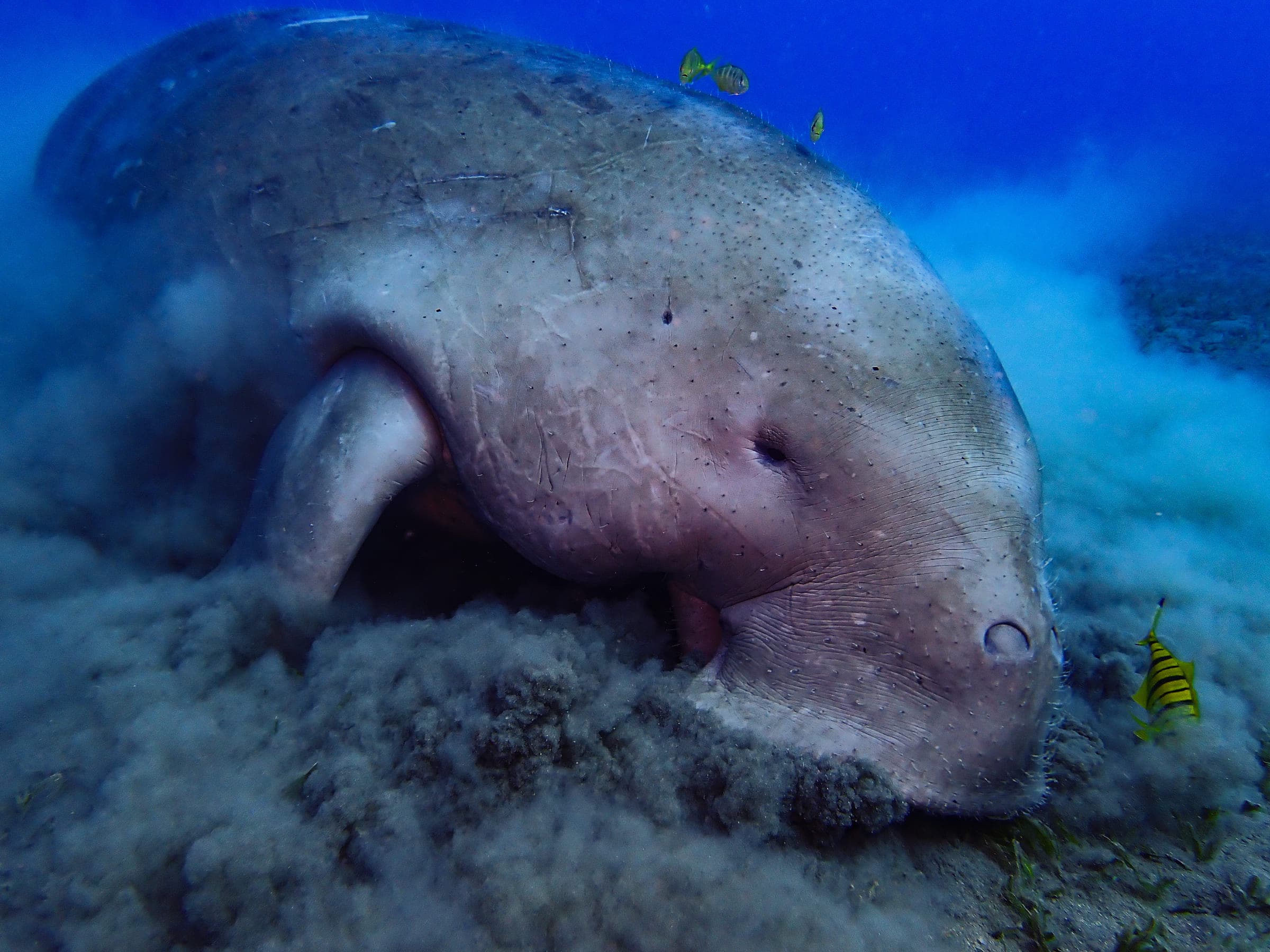
Dugong
Dugong dugon
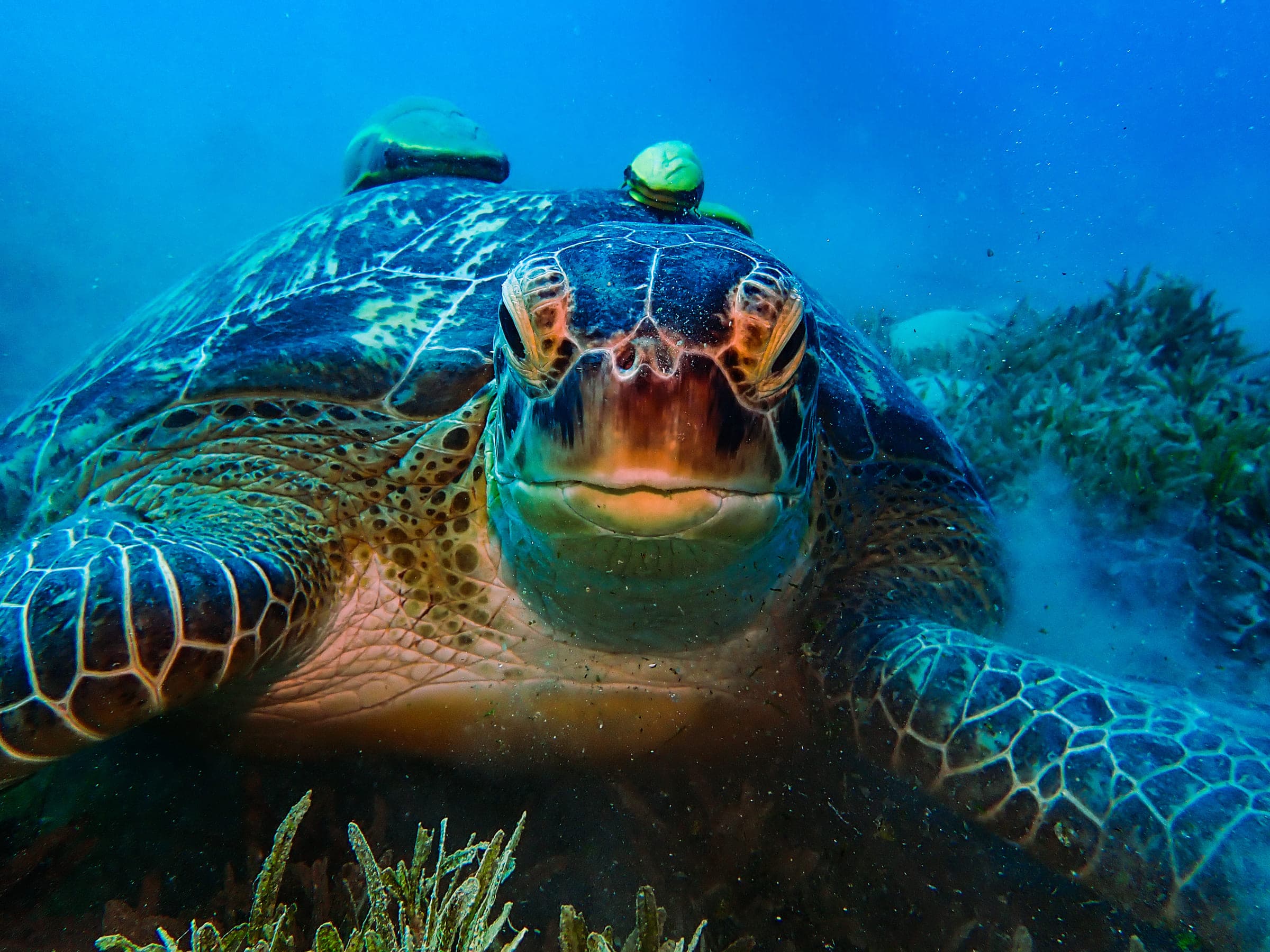
Green Sea Turtle
Chelonia mydas
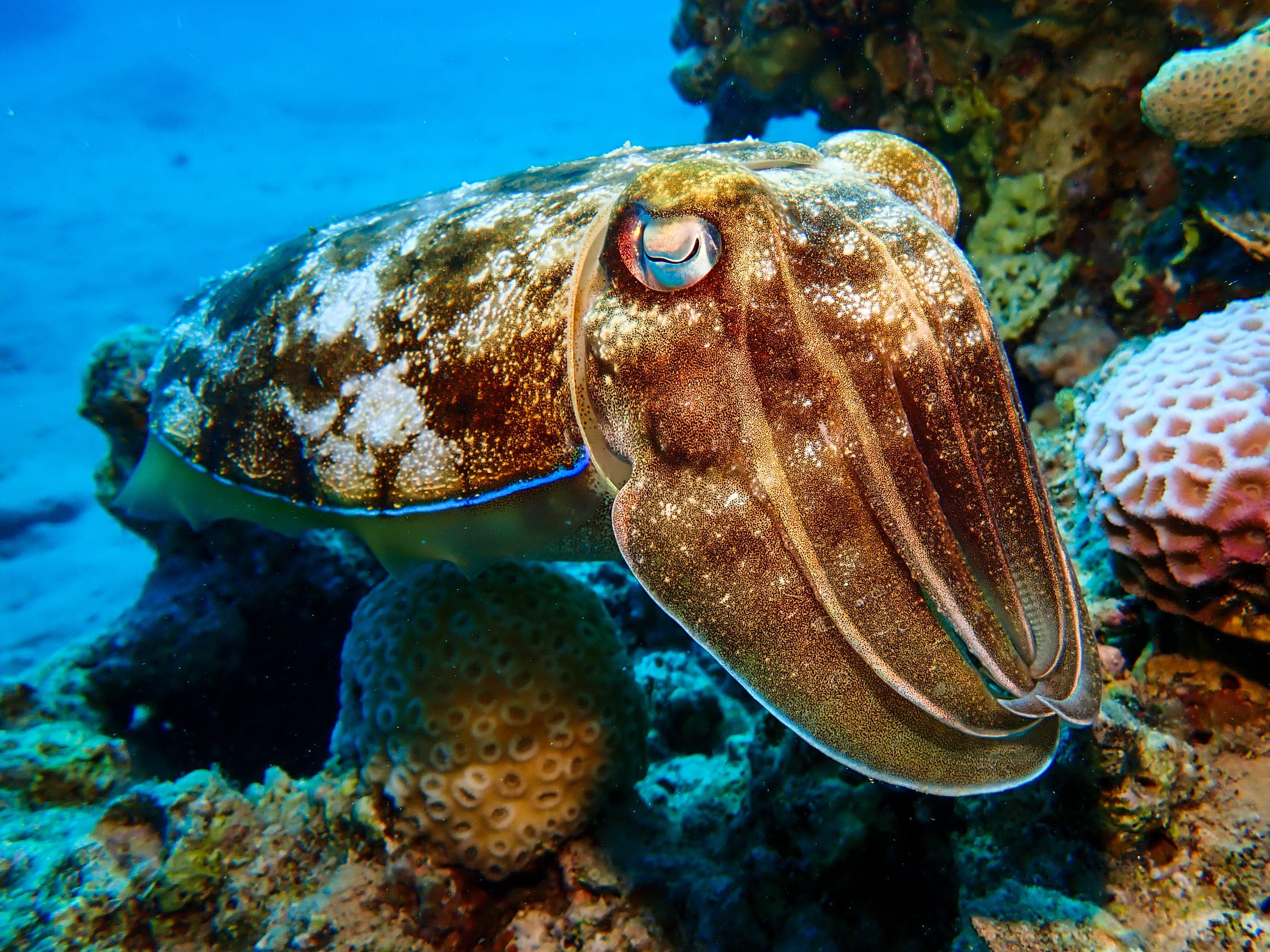
Pharaoh Cuttlefish
Sepia pharaonis
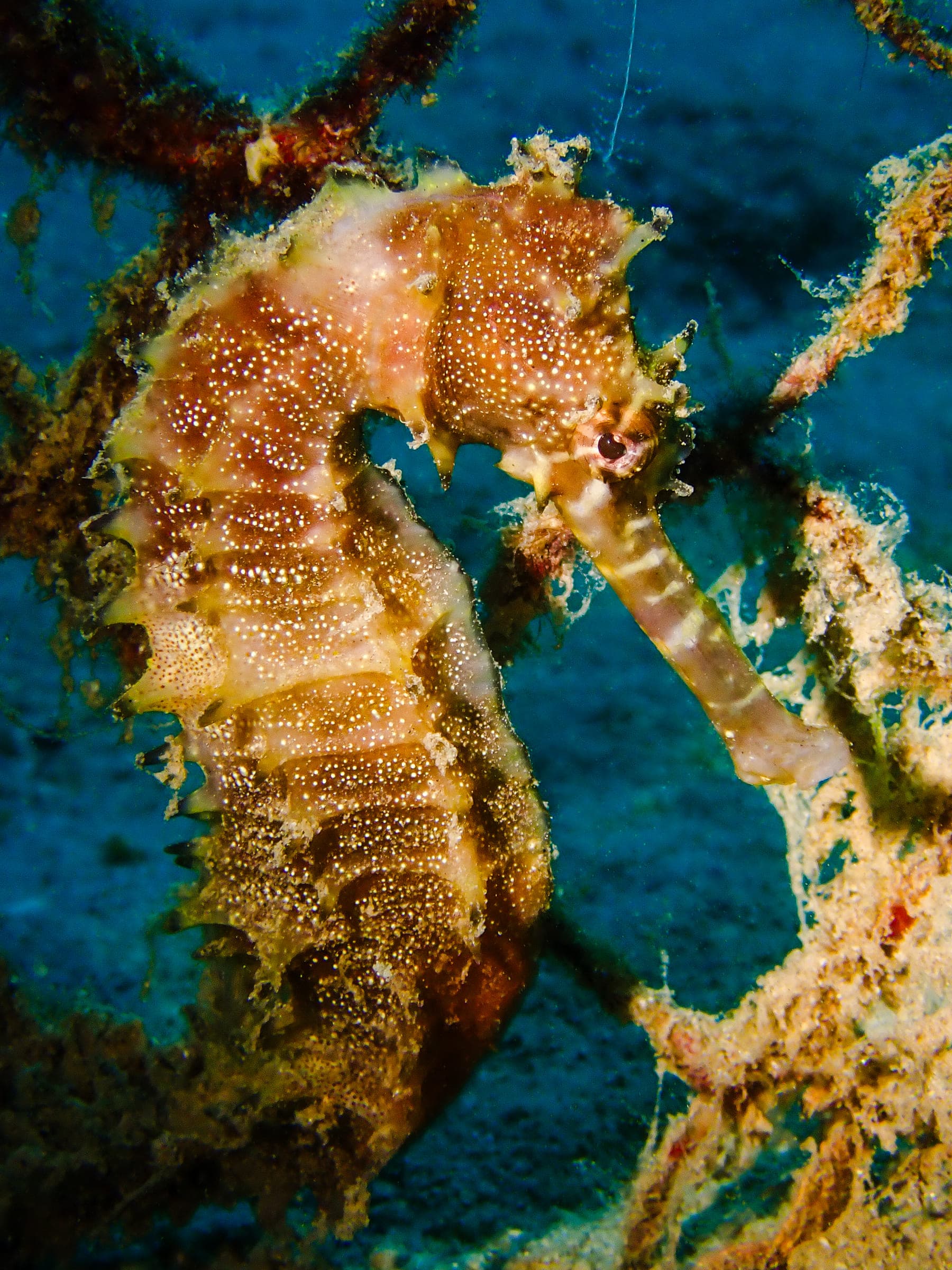
Jayakar's Seahorse
Hippocampus jayakari
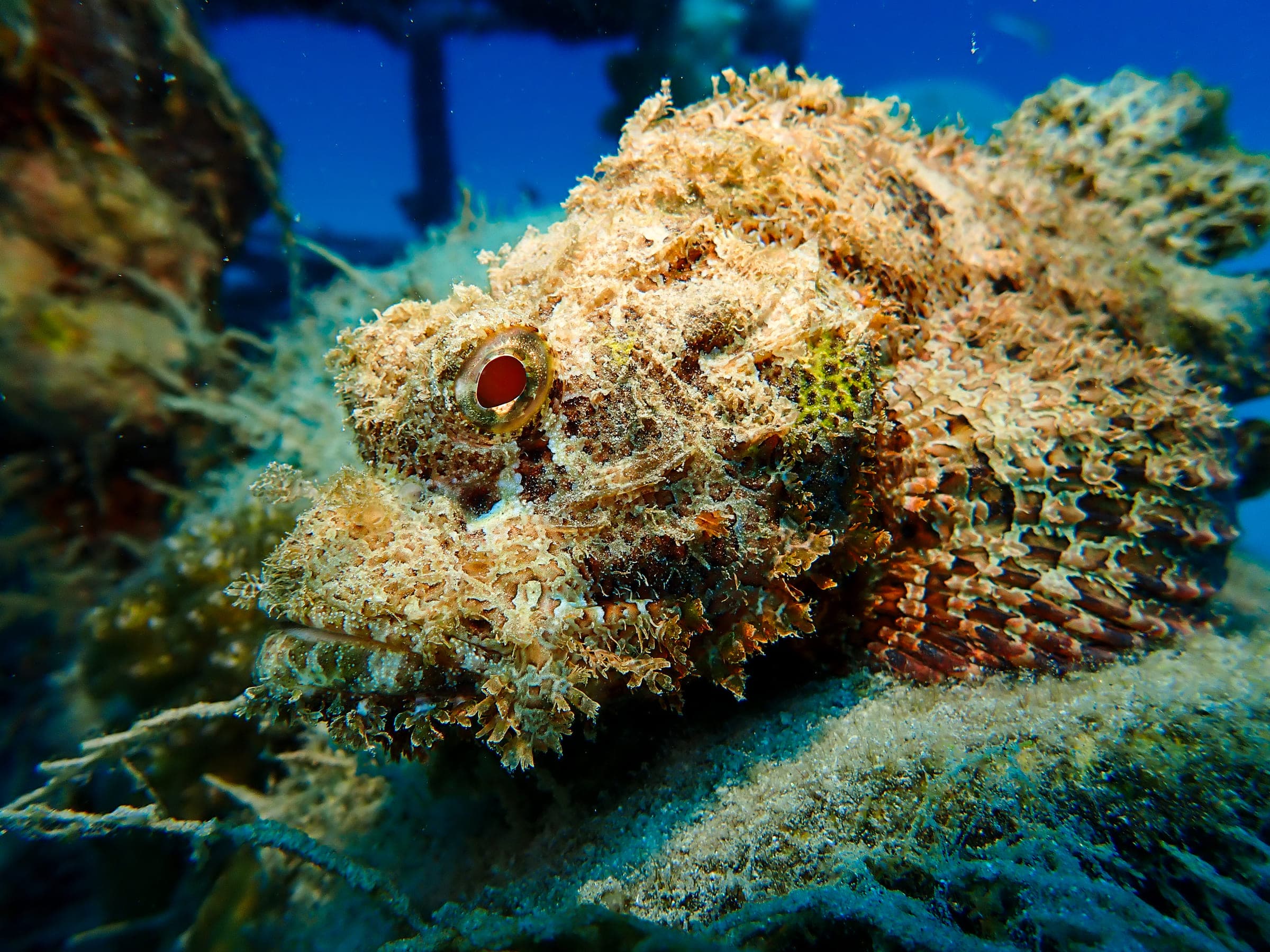
Tasseled Scorpionfish
Scorpaenopsis oxycephala
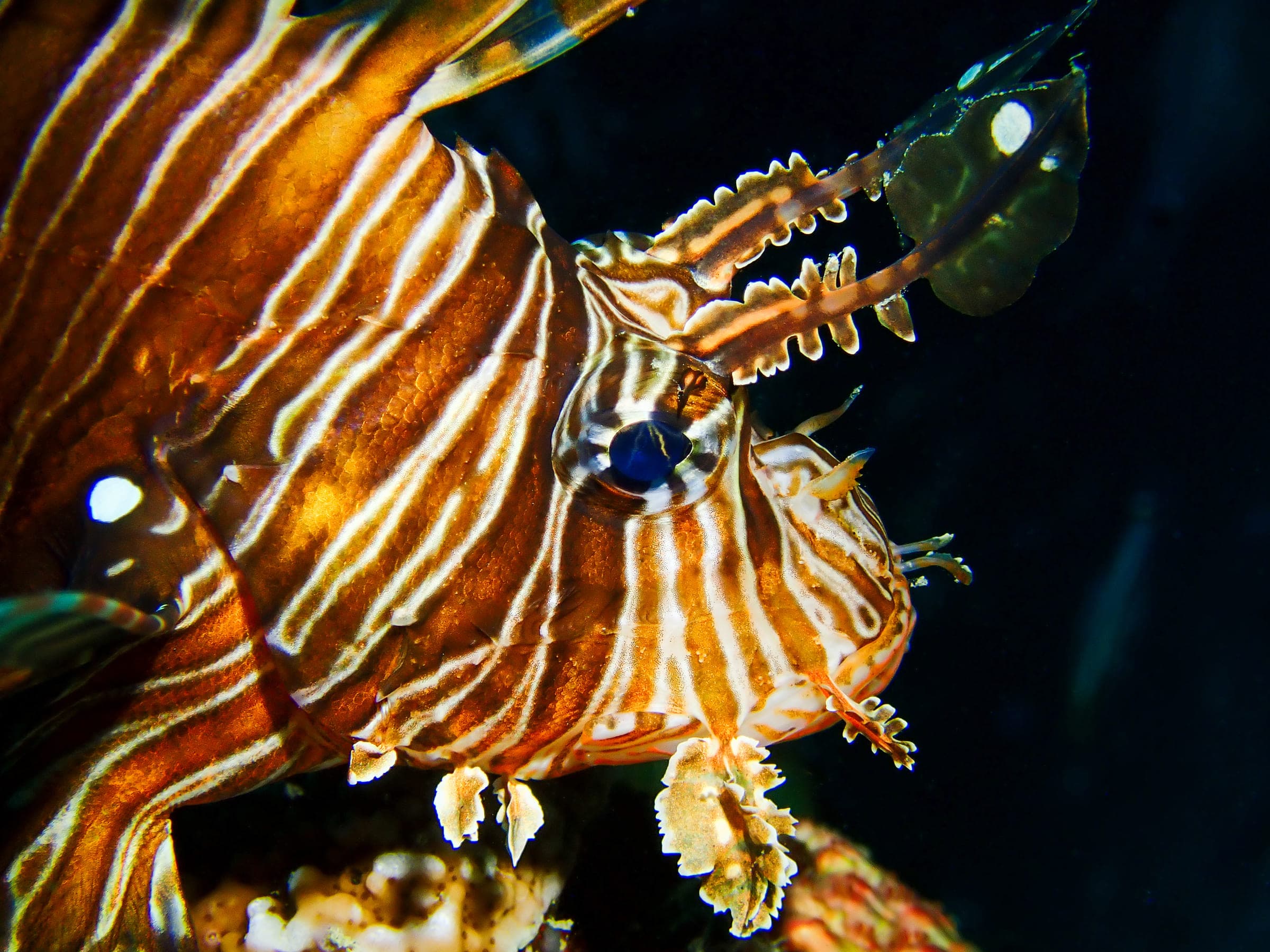
Common Lionfish
Pterois miles
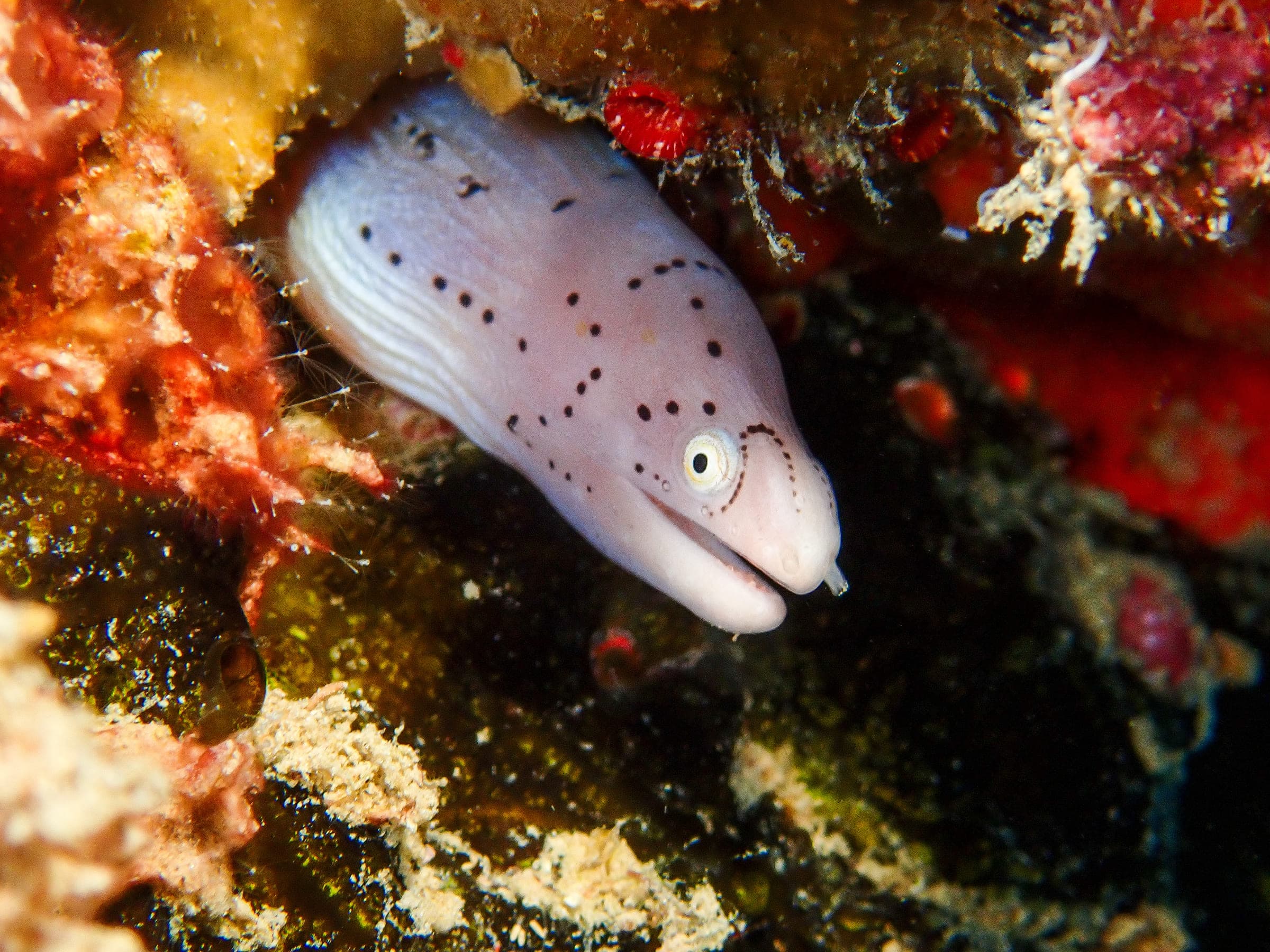
Geometric Moray
Gymnothorax griseus
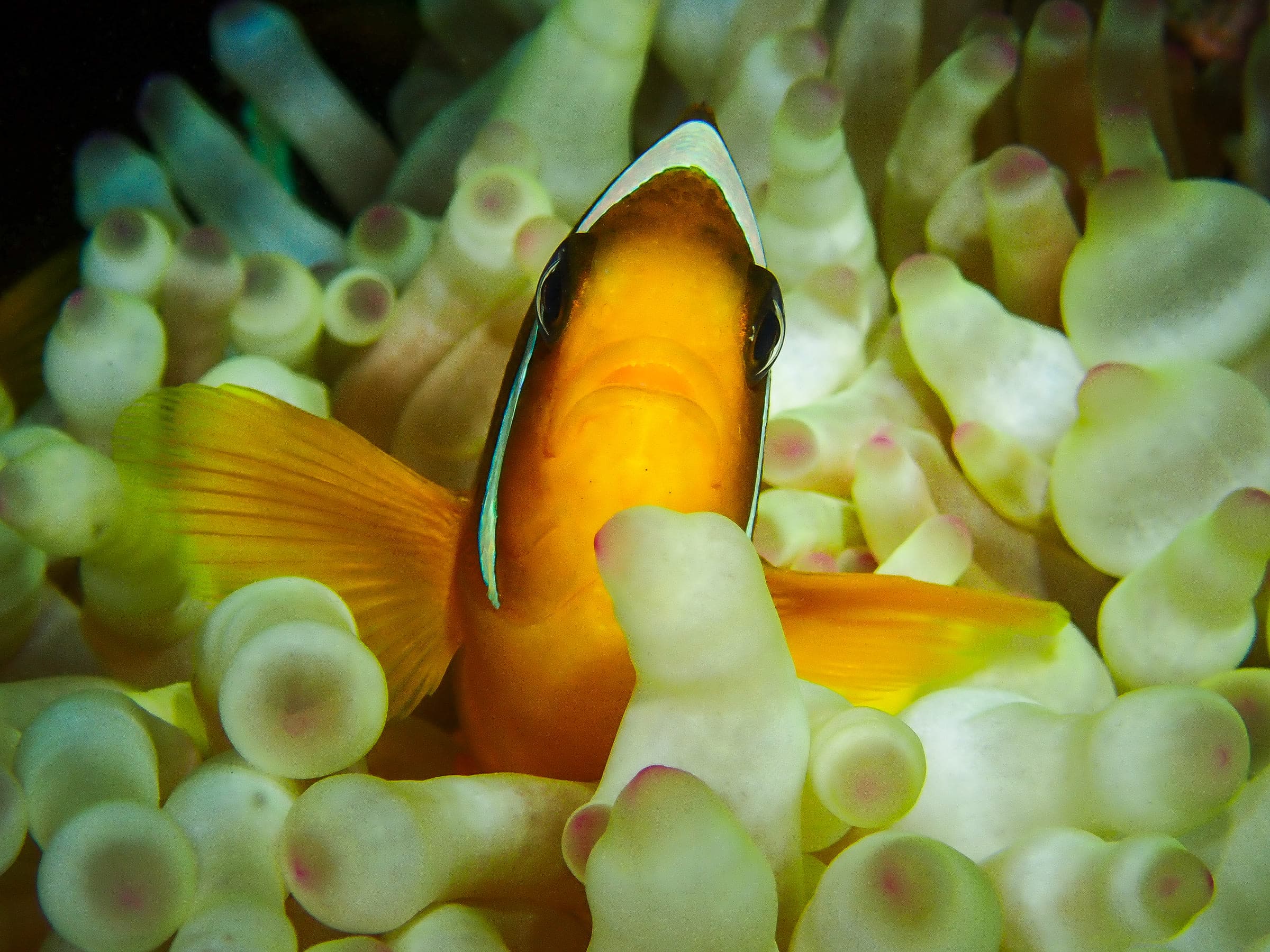
Red Sea Clownfish
Amphiprion bicinctus
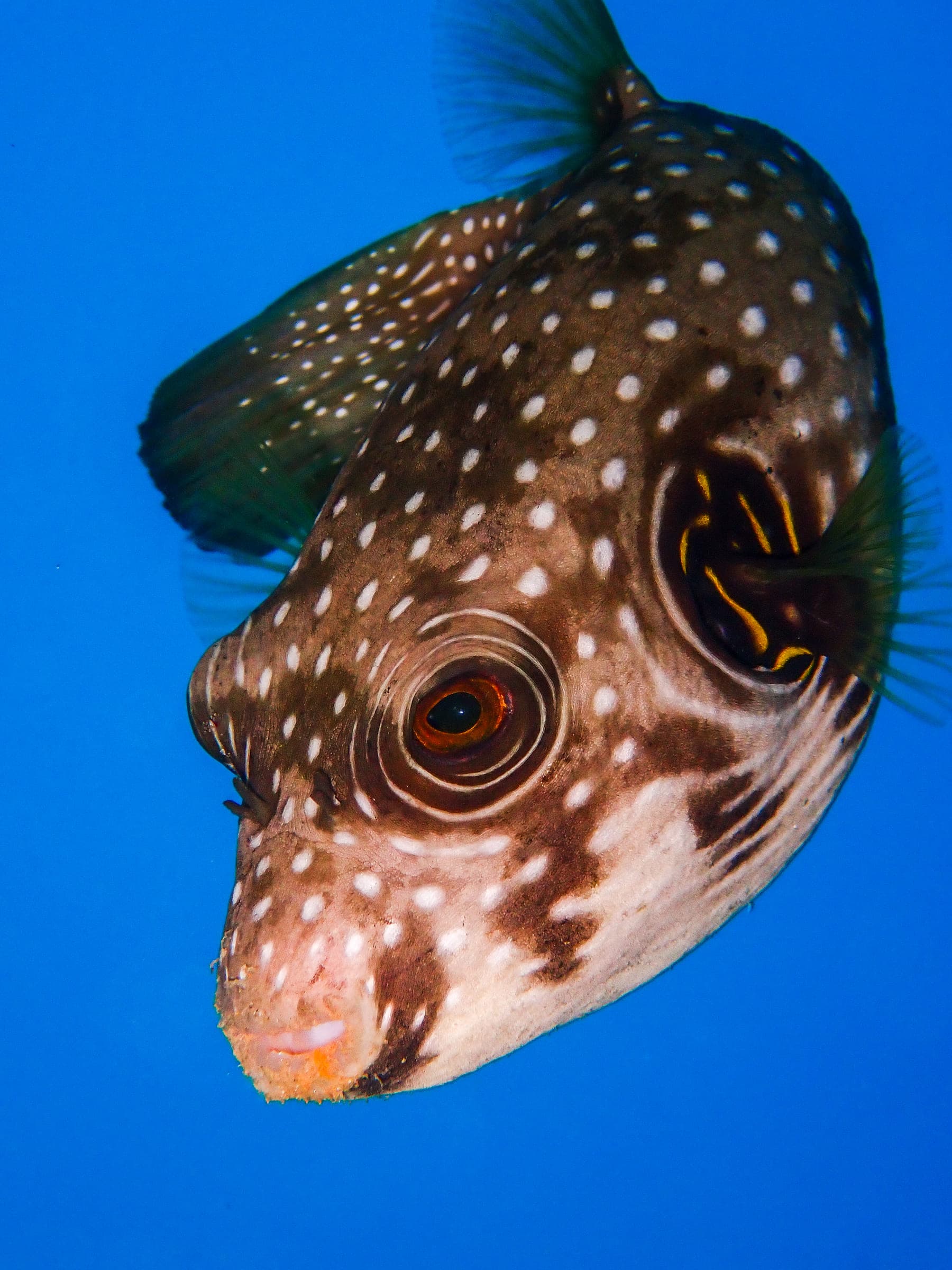
Whitespotted Puffer
Arothron hispidus
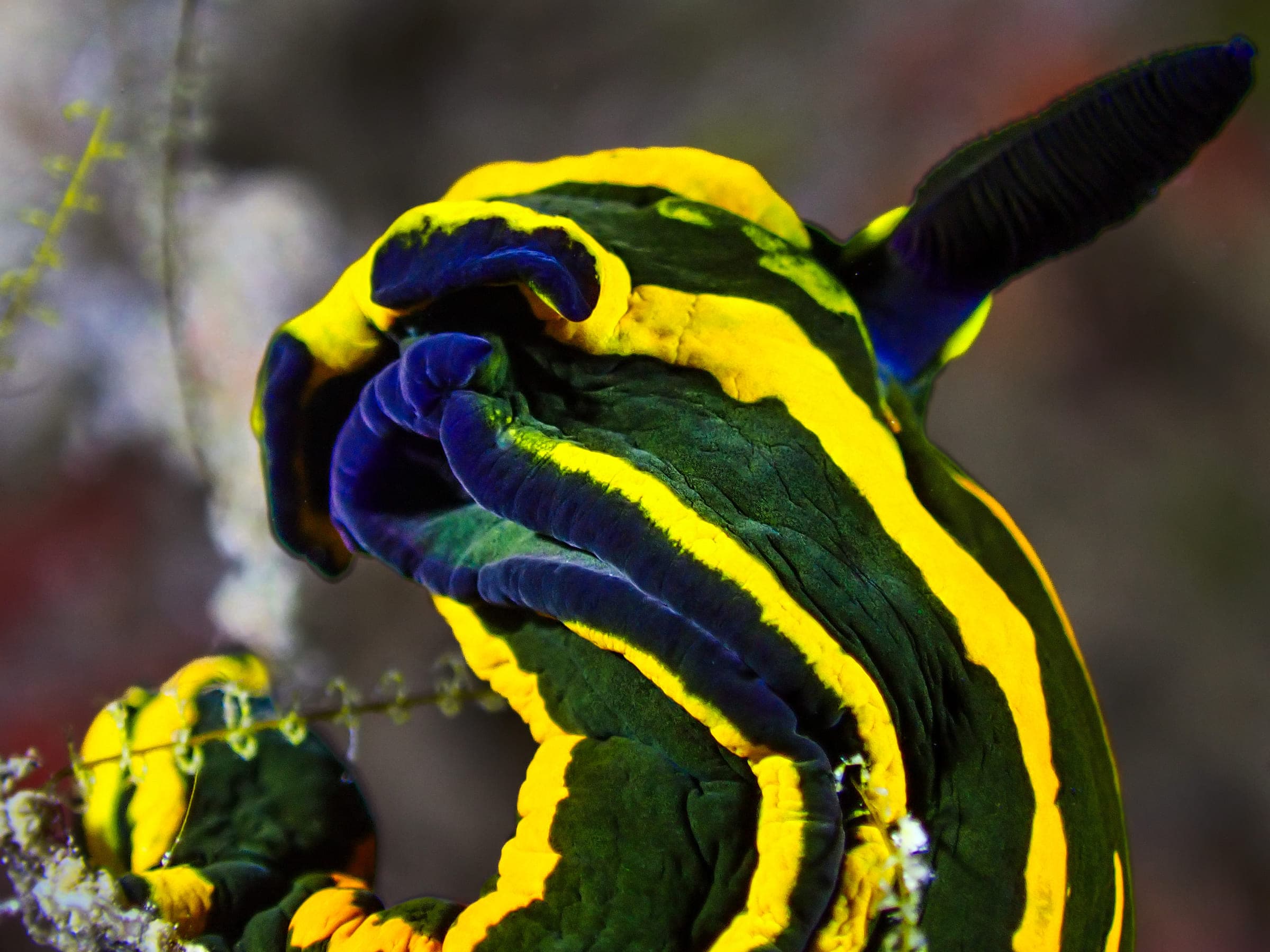
Red Sea Nembrotha
Nembrotha megalocera
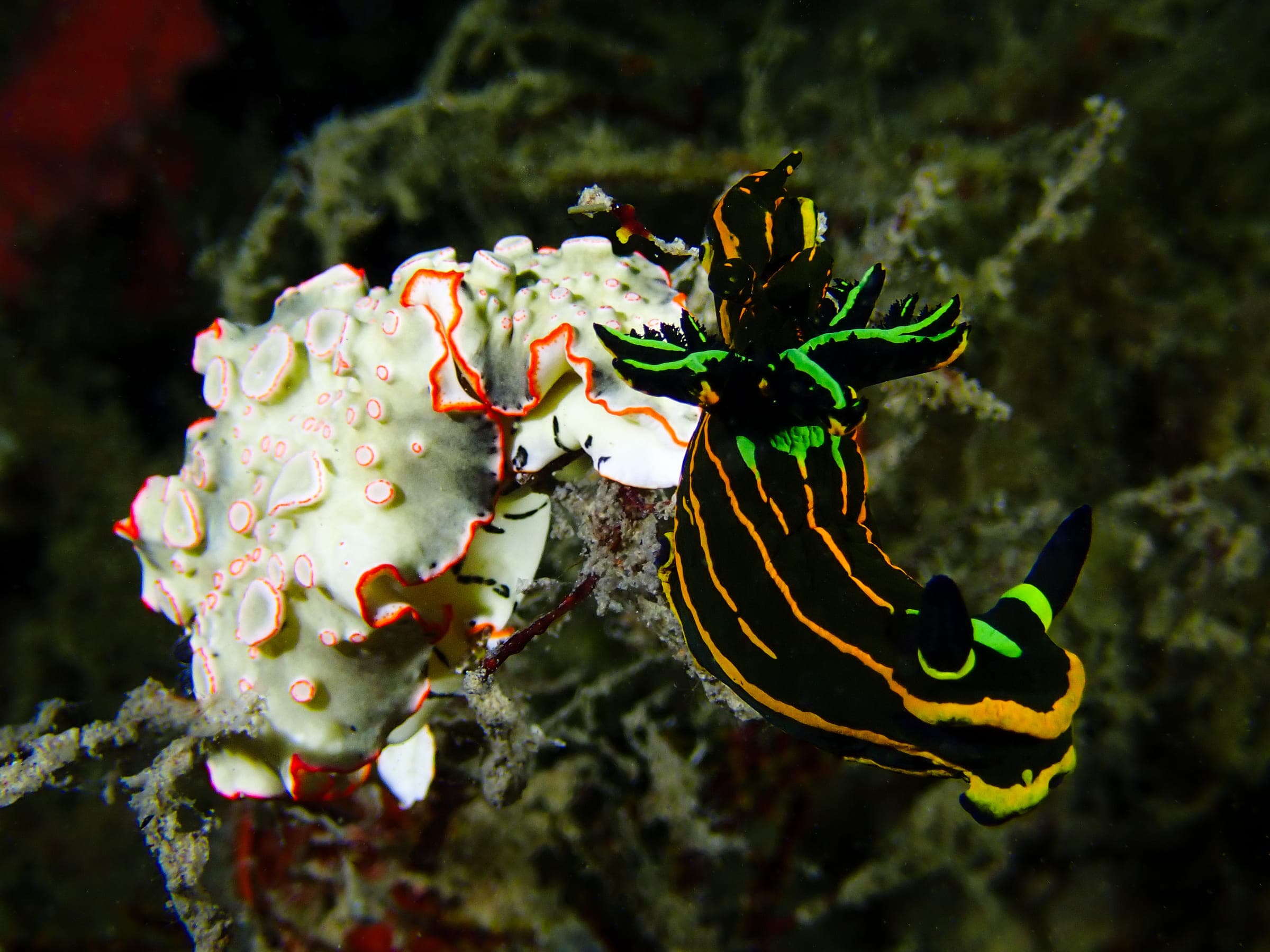
Red Sea Nembrotha
Nembrotha megalocera
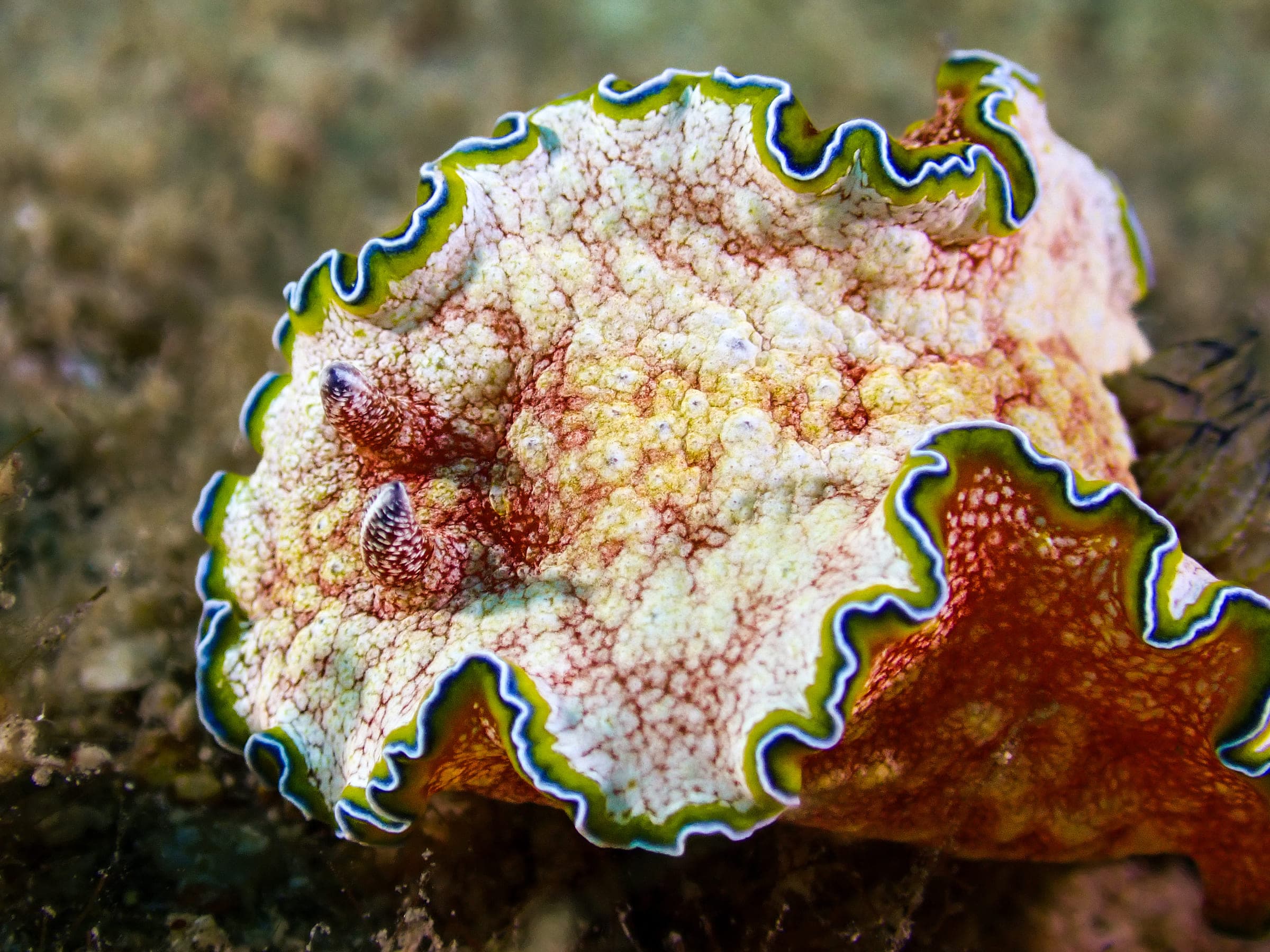
Girdled Glossodoris
Glossodoris cincta
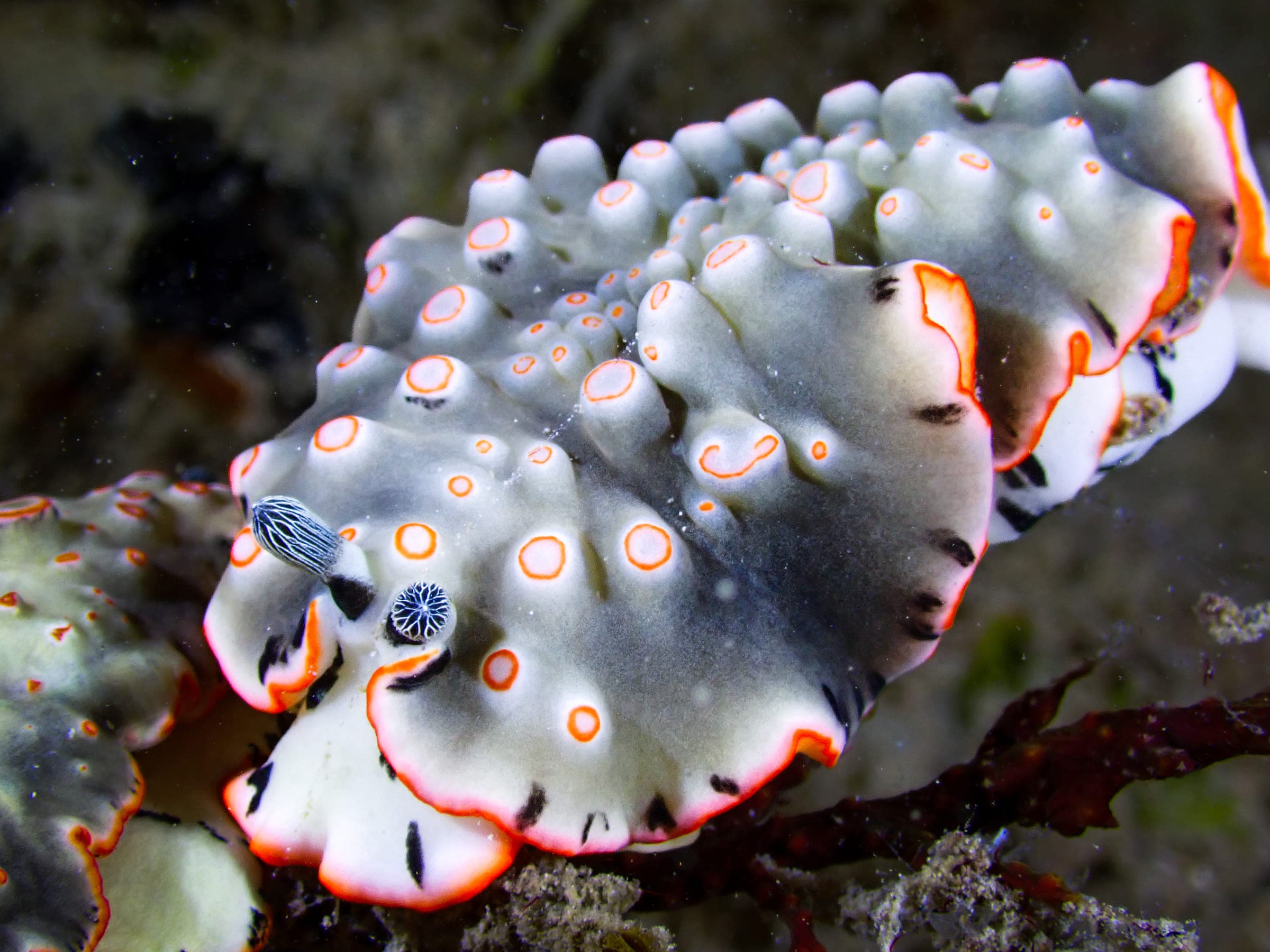
Ornate Armina
Dermatobranchus ornatus
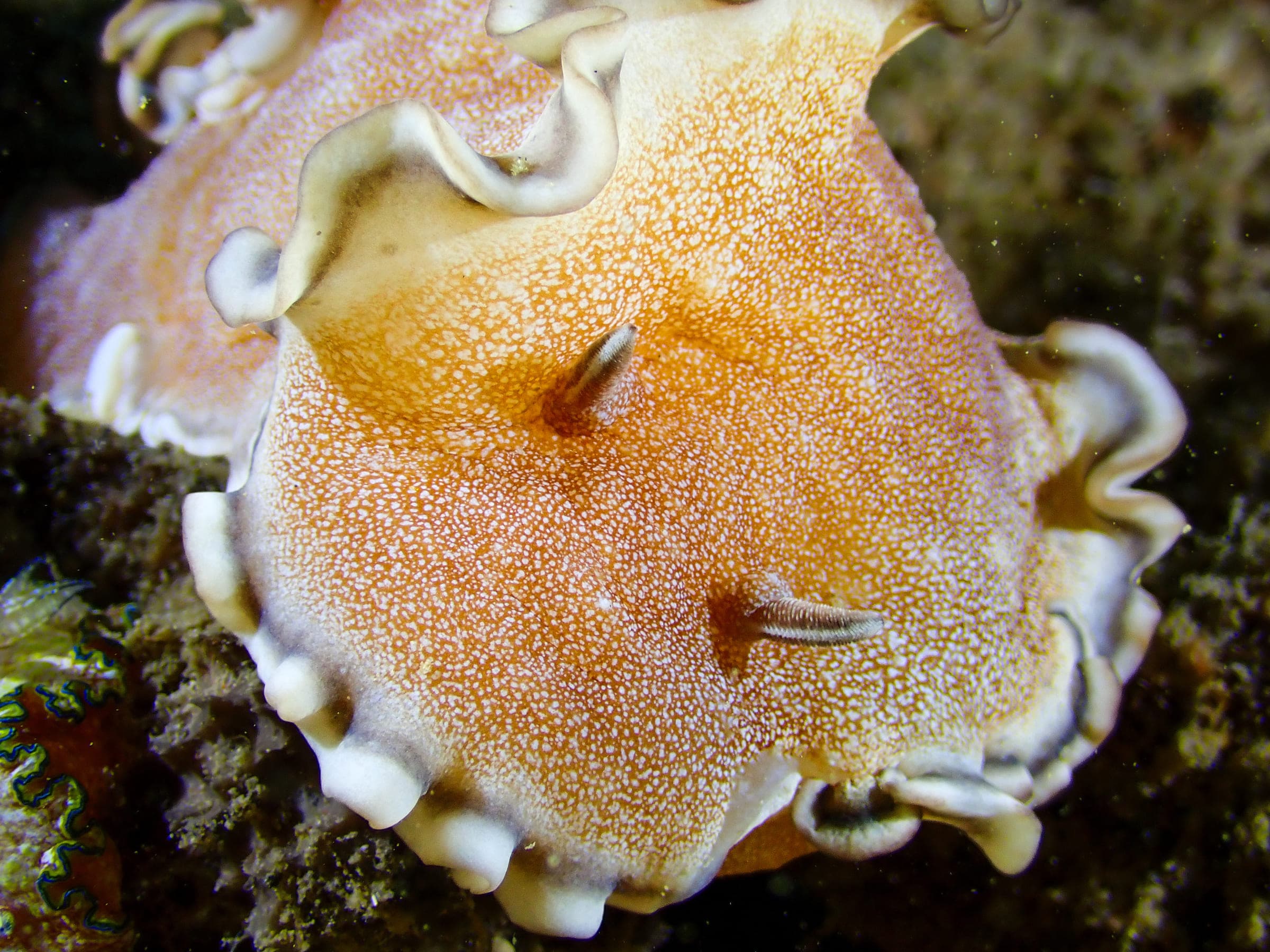
Brown-edge Glossodoris
Glossodoris hikuerensis
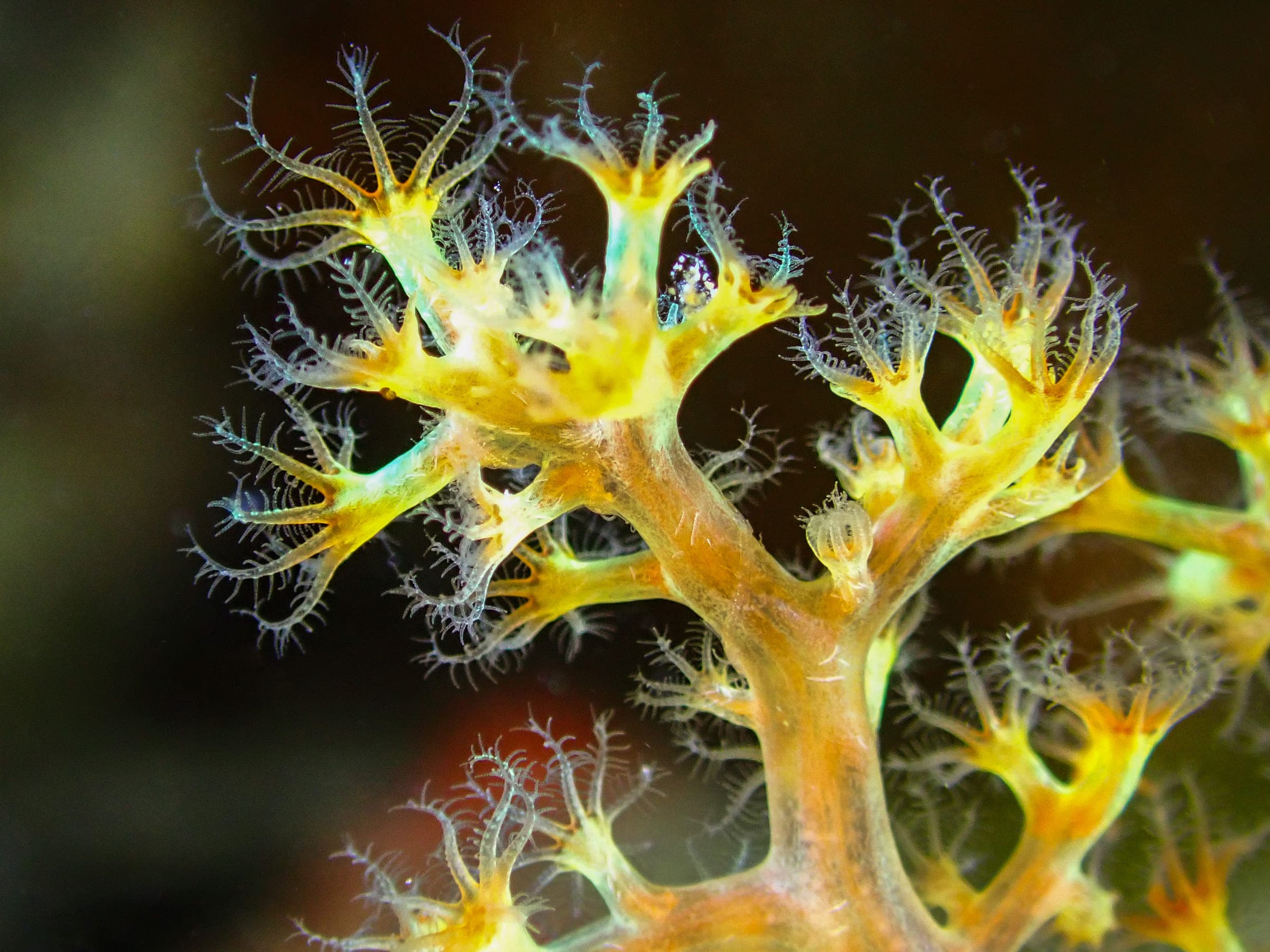
Hemprich's Tree Coral
Dendronephthya hemprichi
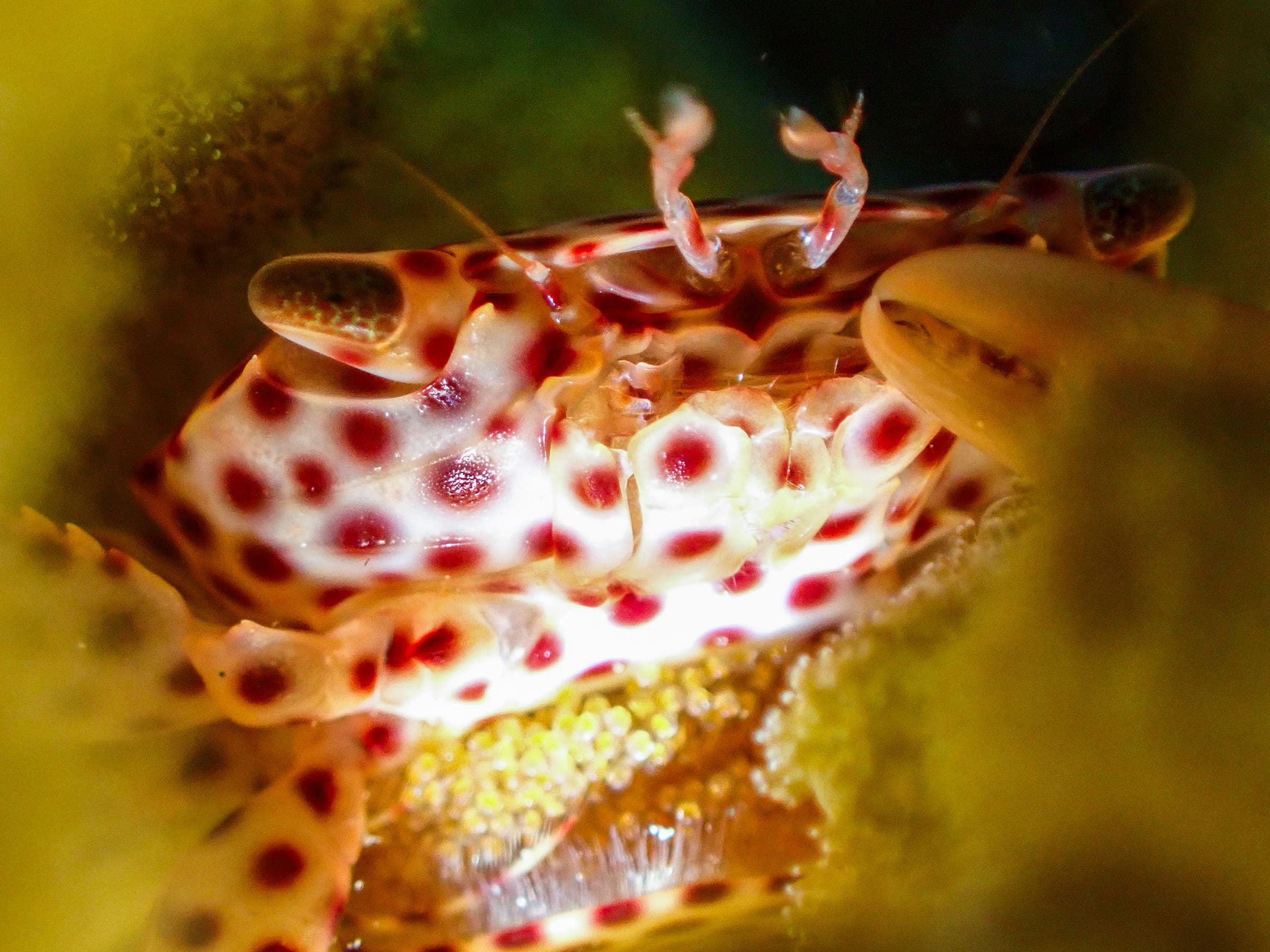
Red-spotted Guard Crab
Trapezia tigrina
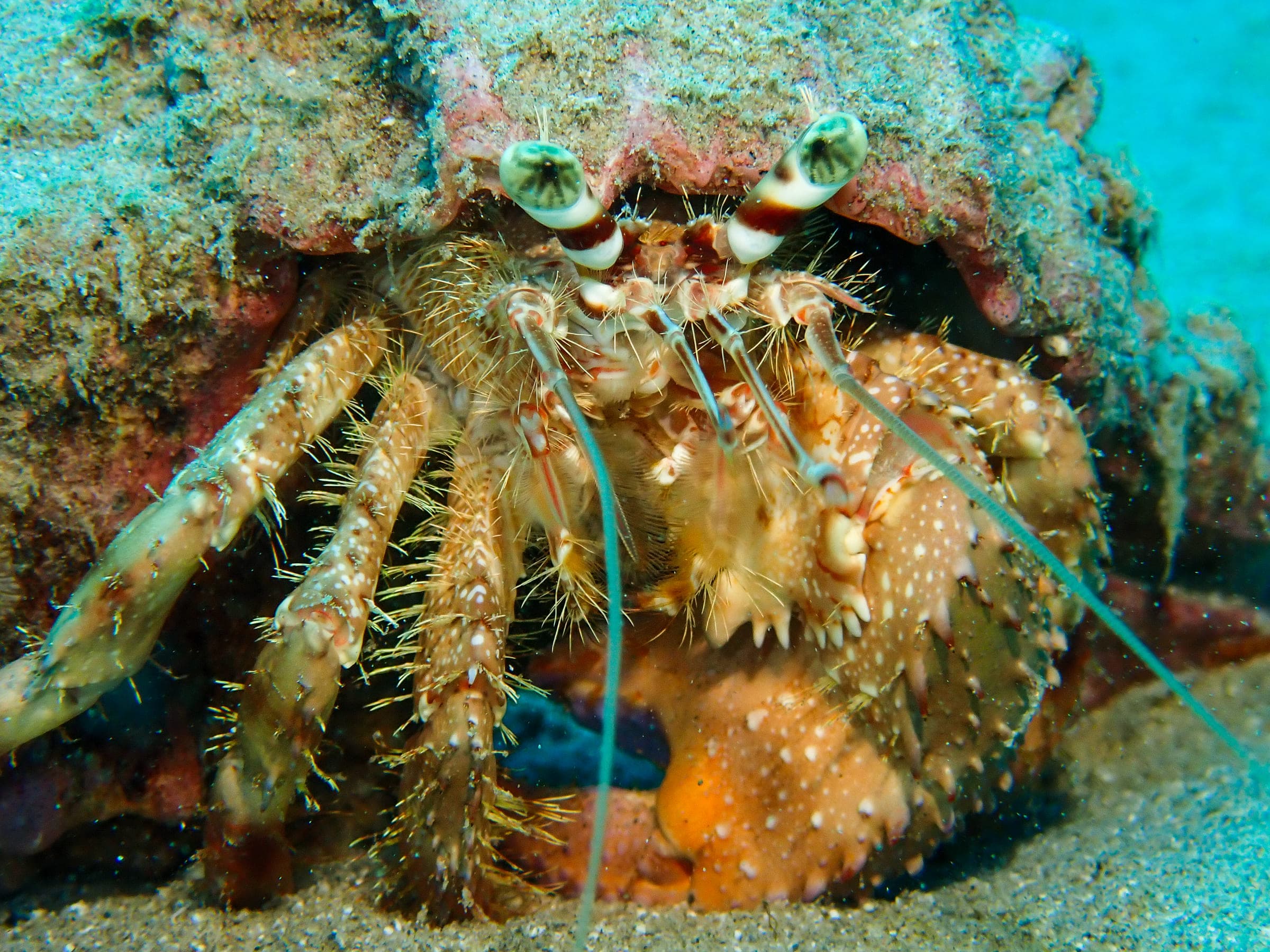
Hairy Red Hermit Crab
Dardanus lagopodes
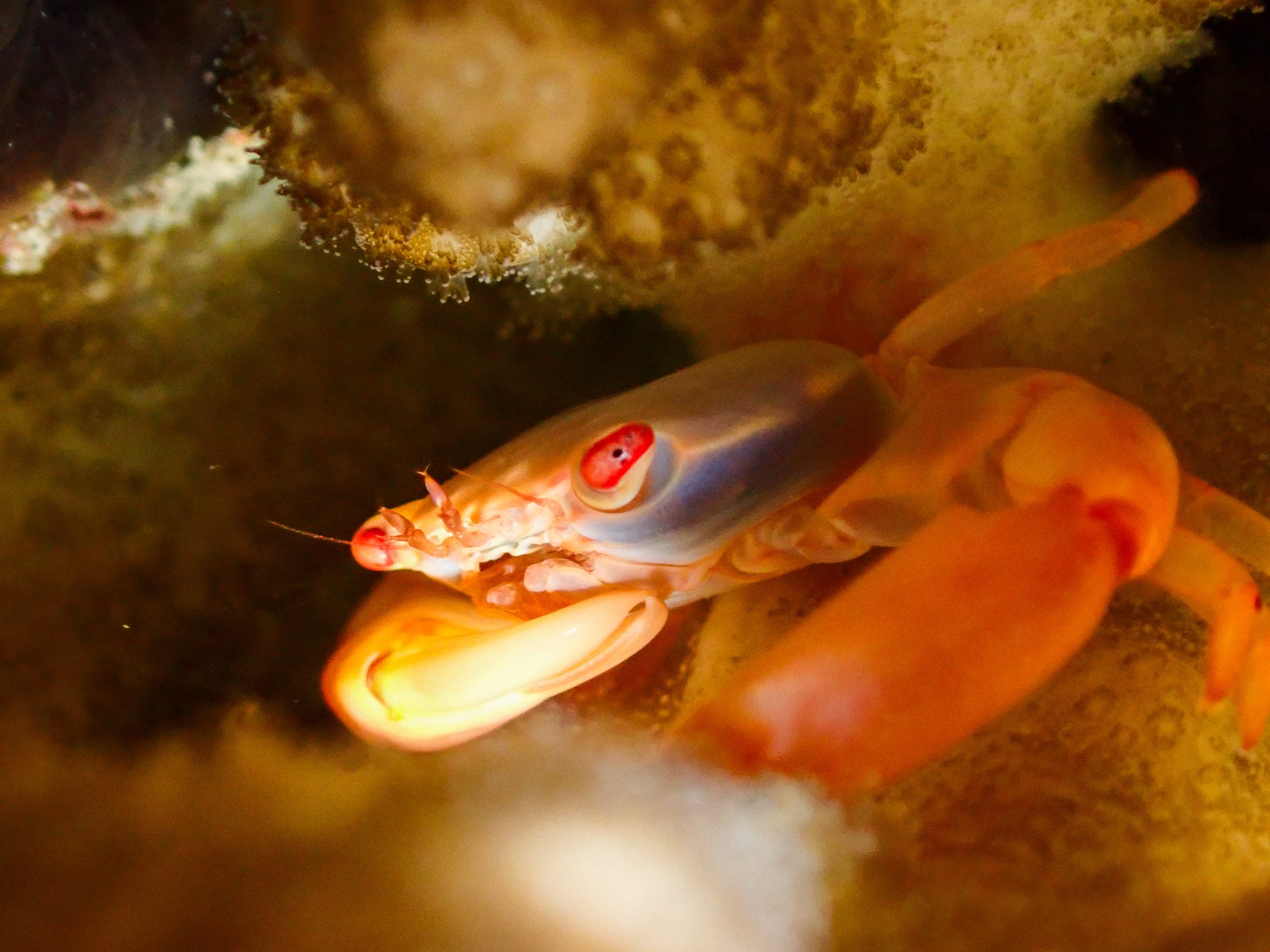
Rusty Guard Crab
Trapezia bidentata
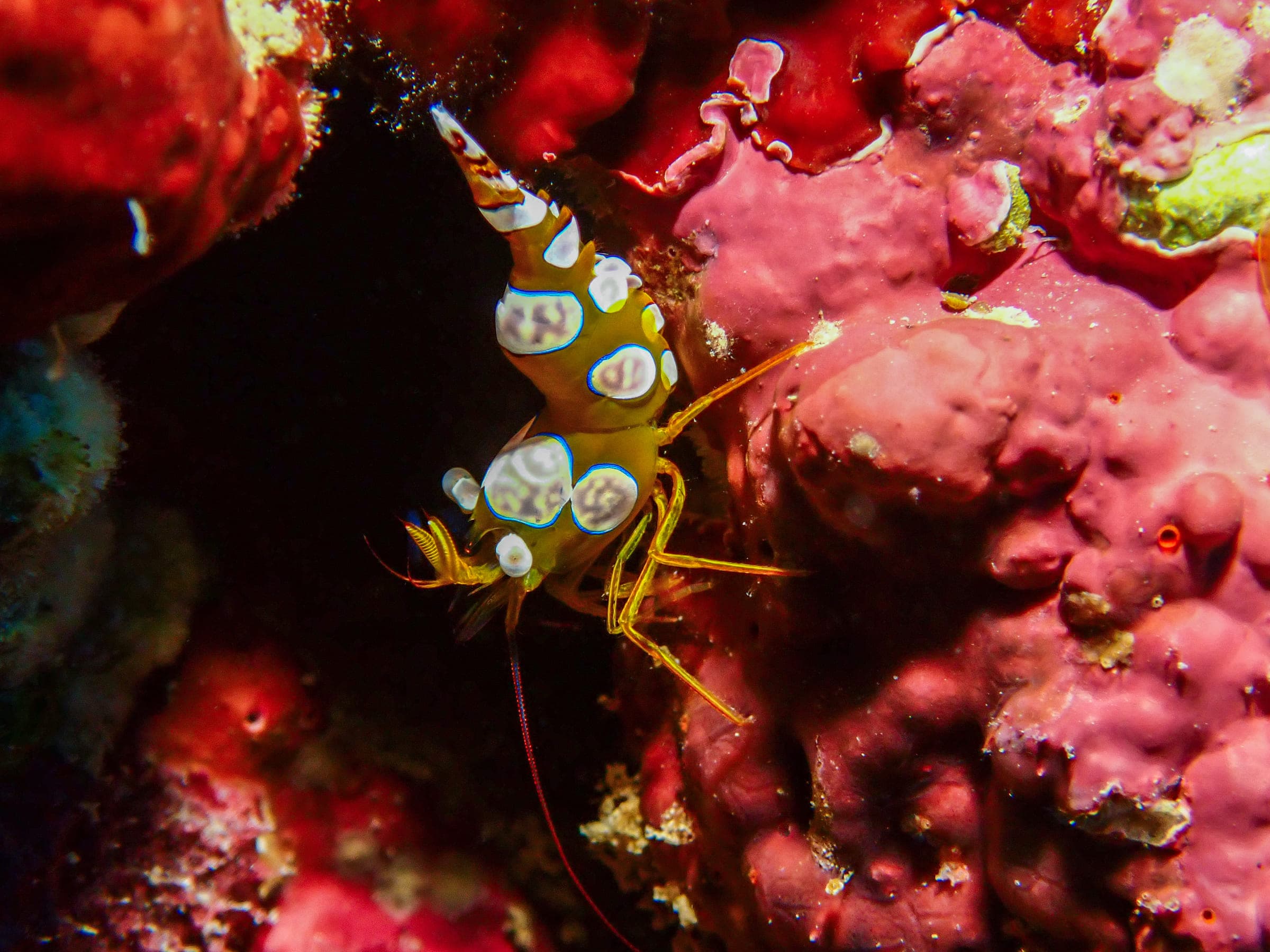
Sexy Shrimp
Thor amboinensis
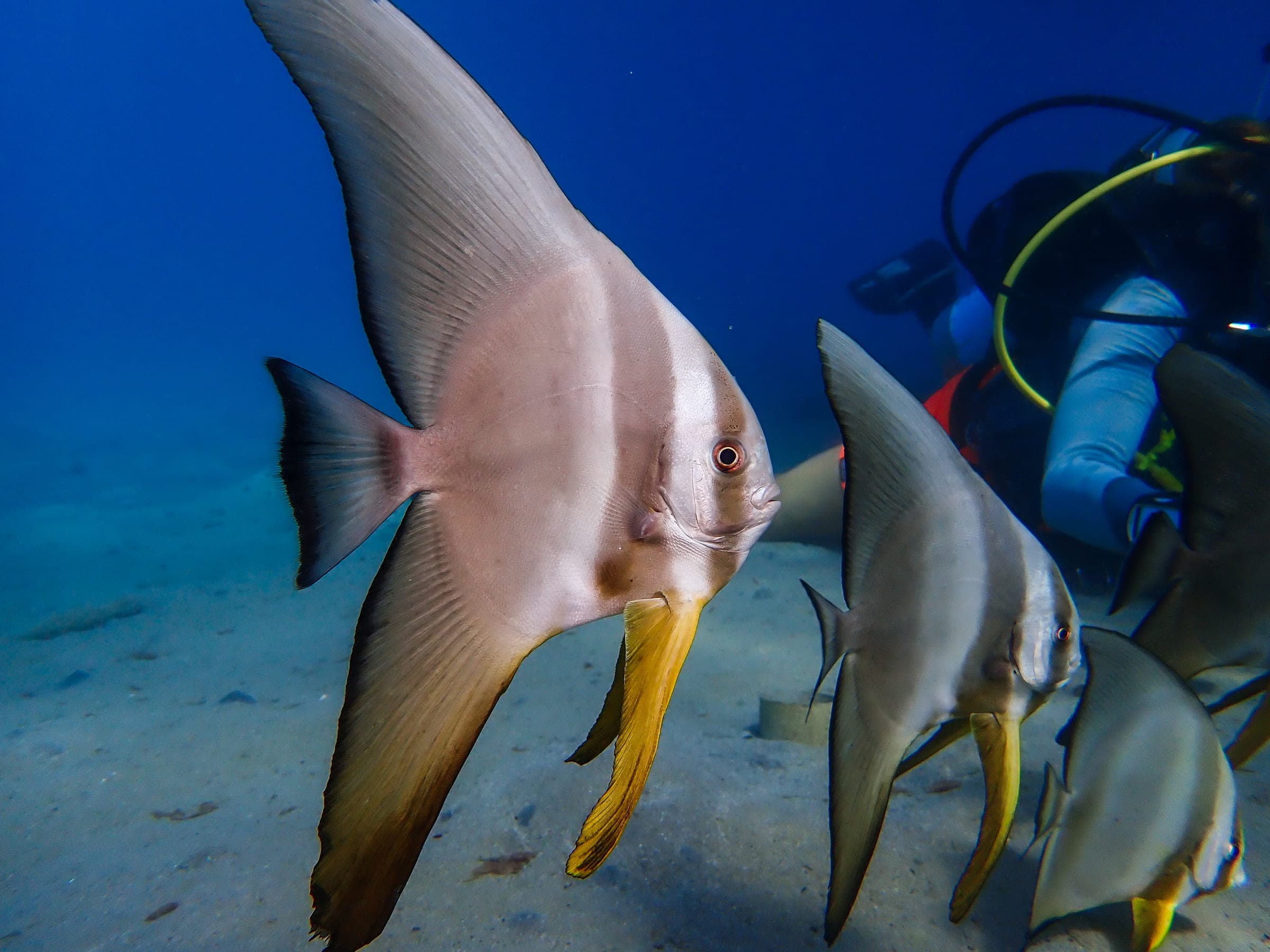
Longfin Spadefish
Platax teira
FishID: the thing every diver actually wants
You surface with a photograph of something you have never seen before, and no idea what it was. Field guides need you to already know roughly what family you are looking at. Generic image search confidently tells you it is an aquarium fish from the Pacific.
So I built FishID. You drop in a photo - straight off the phone, HEIC and all - and it matches it against 1,337 species from 10,646 photographs, all of them taken in the Red Sea rather than pulled from stock imagery. You get a ranked shortlist with confidence figures, each linked to a full species card.
The two hard parts were not the matching. The first: real diving photographs are blurry, backlit and half-obscured by coral, so the system has to work on bad frames because bad frames are the normal case. The second: it has to be willing to say “that is not a Red Sea fish” instead of naming whichever species a photo of your cat most resembles - which is why the recognition set is deliberately trained with decoys.
It runs on the web and is coming to both mobile apps, with five identifications a month free. Your photo is never published and never shown to other divers.
The diving itself
I am a certified PADI Divemaster, which means guiding and assisting divers rather than simply logging my own dives. Most of my time in the water is in Makadi Bay, which is where the majority of the photography on Red Sea Creatures comes from, and in Marsa Alam for the pristine reefs and the occasional dugong.
Diving taught me things that turned out to be about engineering: check everything before you go down, stay calm when the plan changes at depth, and never rely on a single point of failure. Those habits show up in how I build systems more than any framework I have learned.
Gear
iPhone in a Divevolk housing
Full touchscreen at depth, which is the whole point - you can frame, focus and switch modes underwater instead of guessing. This is what I shoot most general photography and video on, as a Divevolk Ambassador.
6% off with my ambassador link - an affiliate link, so it earns me a commission.
Olympus TG-6
My macro camera, for nudibranchs, shrimp and everything else measured in millimetres. Most of the species cards on Red Sea Creatures that show fine detail were shot on this.
Conservation
I collaborate with HEPCA on marine conservation in the Red Sea - educational initiatives and cleanup projects. In practice that means reporting illegal fishing and reef damage, documenting what is actually down there so that changes to it are visible, and pushing sustainable diving practice among divers who are usually willing but simply do not know.
Red Sea Creatures is part of that too. A reef nobody has documented is a reef nobody notices losing.
Working together
If you run a dive centre, a conservation project or a marine-tourism business and need software - a catalogue, a booking system, an app, identification, a site that actually loads on a boat's connection - this is the rare corner where I know both halves of the problem. And if you just want to talk about underwater photography or diving in the Red Sea, that works too.
Diving, photography, or software for either
Underwater projects, marine platforms, or an app for a dive business - or just a conversation about the Red Sea.